Filter by topic
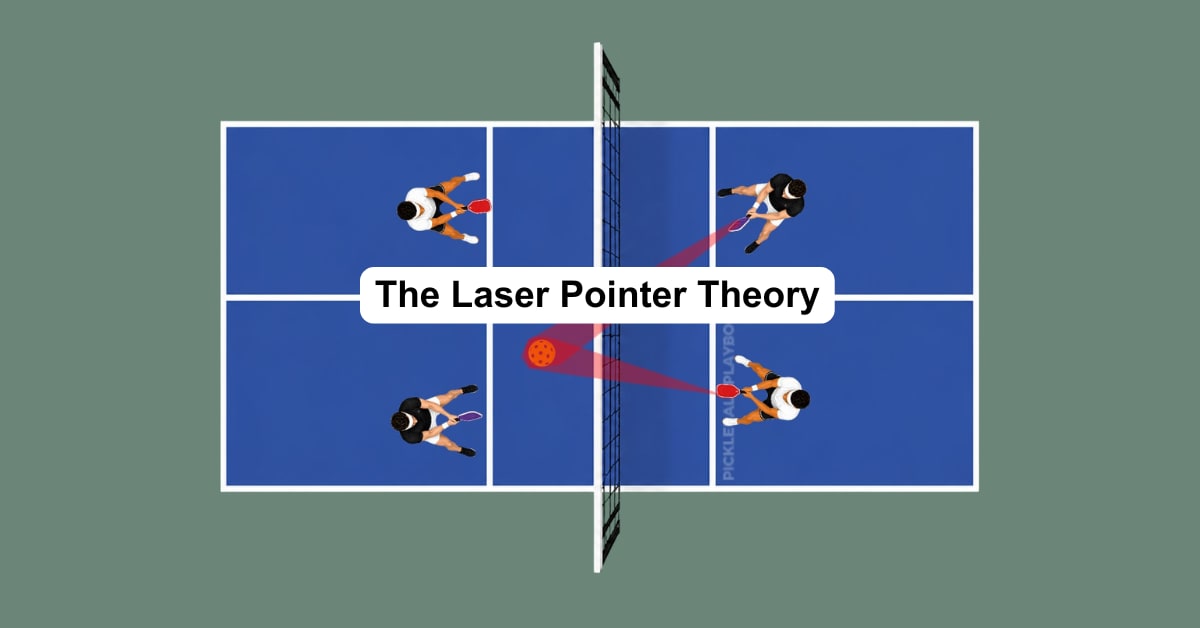
The Laser Pointer Theory: A Simple Trick for Faster Hands in Pickleball
Want faster hands at the kitchen? The Laser Pointer Theory is a simple visualization that helps you keep your paddle in the ready position, improve reaction time, and make more consistent contact.
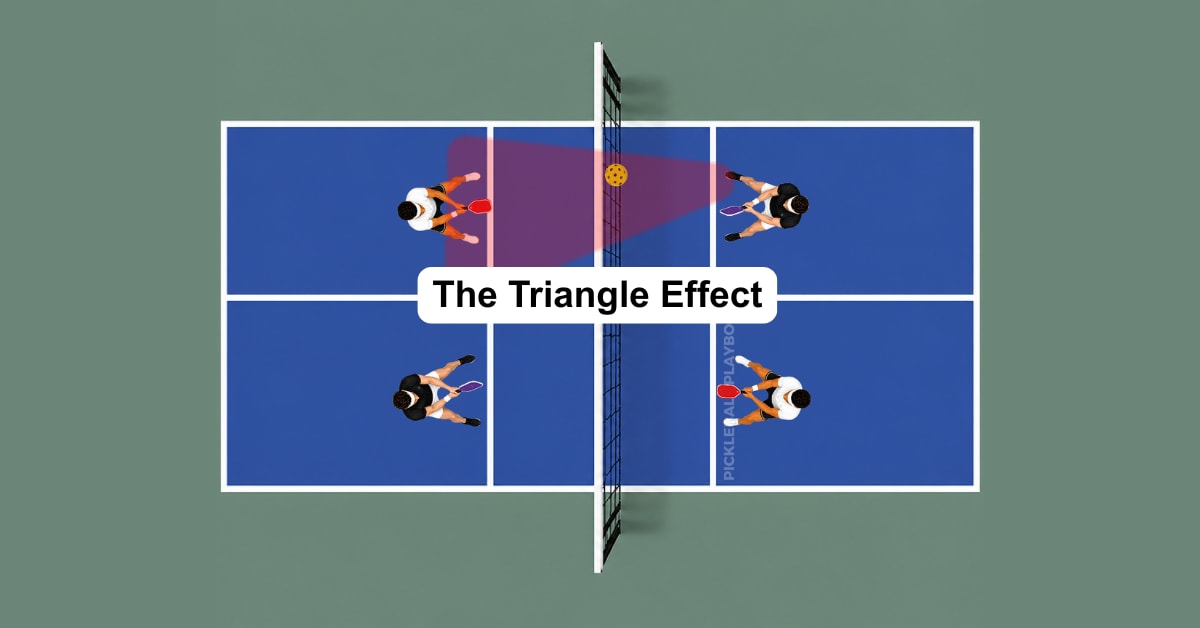
The Triangle Effect in Pickleball: Why the Speed Up Is Just the Setup
Most players think the speed up is the point-ending shot. It's not. It's the setup. The triangle effect tells you where the next ball is coming before your opponent even hits it.
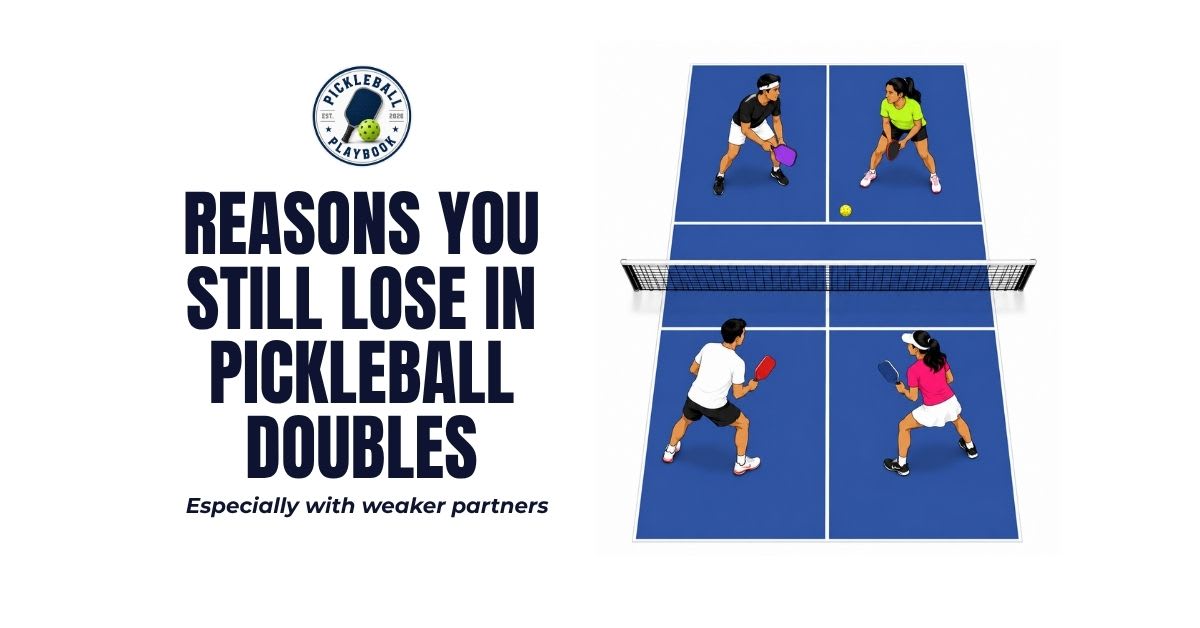
Reasons You Still Lose in Pickleball Doubles (Especially With Weaker Partners)
Playing with a weaker partner doesn't mean you're destined to lose. Learn five simple doubles adjustments that help your team stay organized, reduce pressure, and win more matches together.
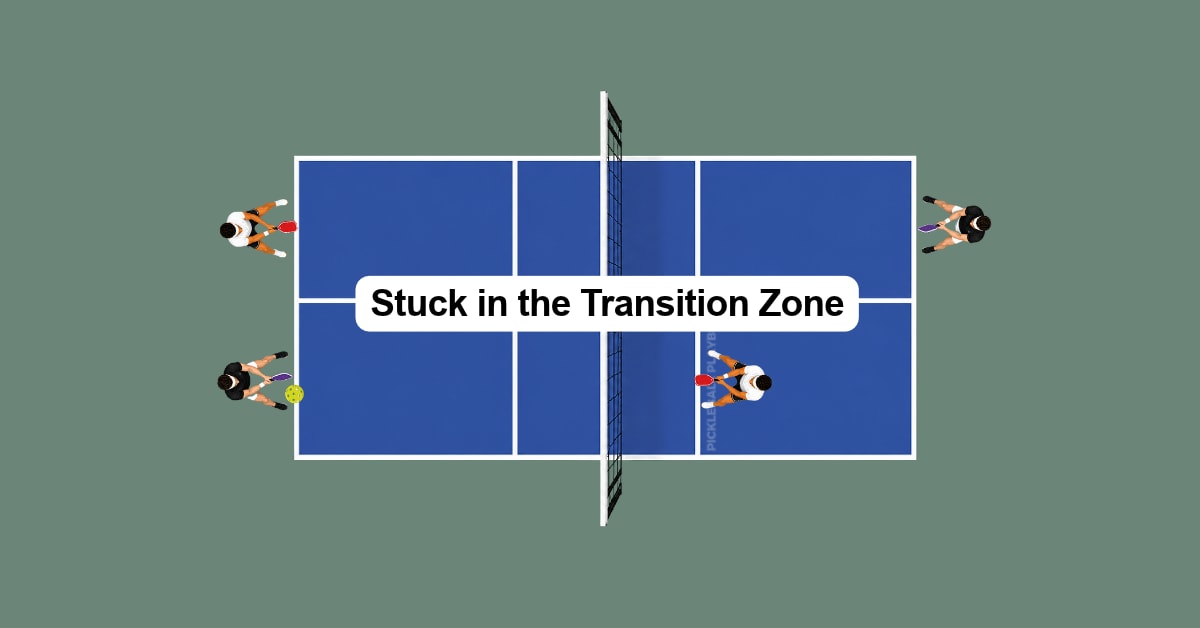
Stuck in the Transition Zone? Here Is Why You Need to Keep Moving.
After you return the serve, staying in the transition zone makes you an easy target. Here is why you need to keep moving forward and how to get to the kitchen line faster.
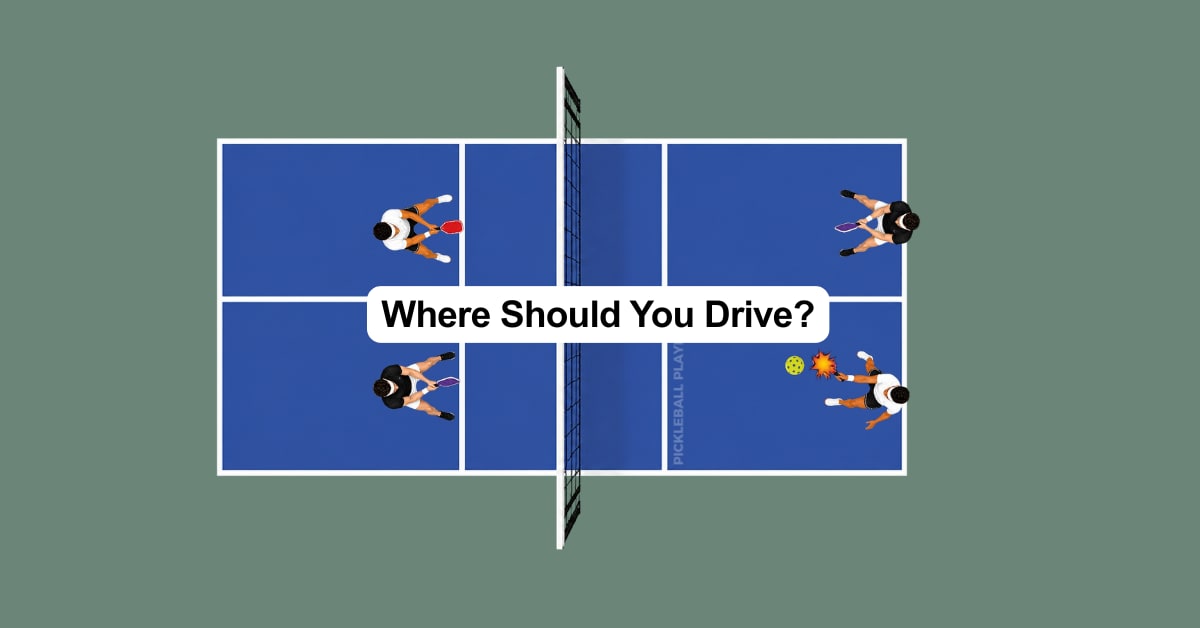
Where Should You Drive Your Third Shot?
Most players just drive the ball hard and hope for the best. But where you aim your third shot drive changes everything that happens next. Here are the three targets to know.
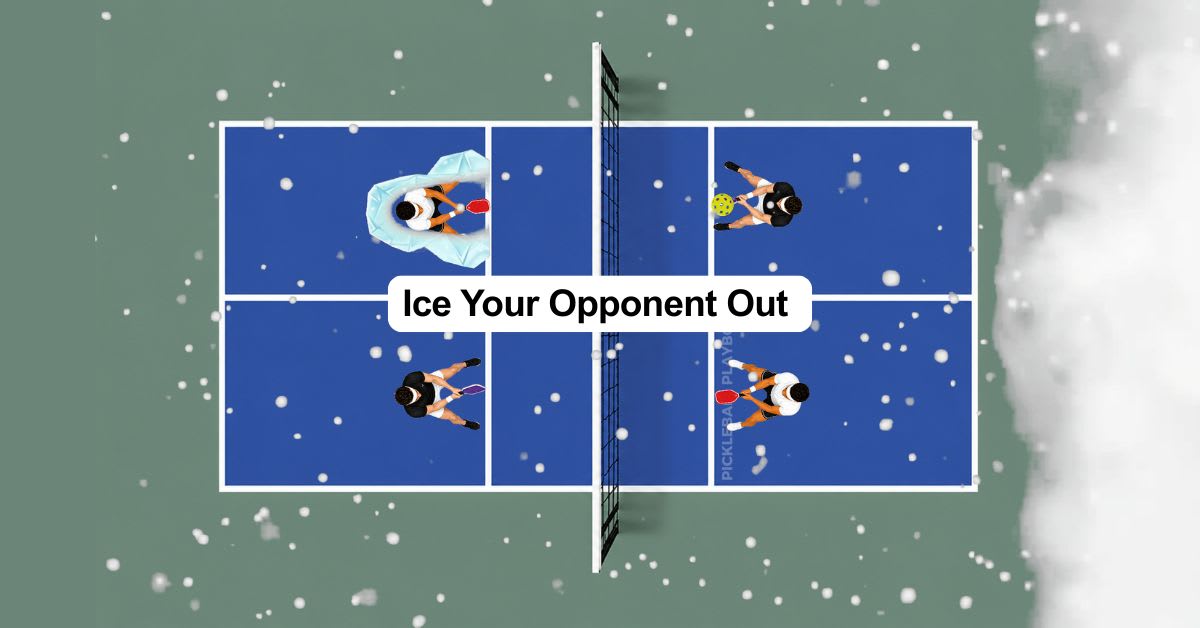
Ice Your Opponent Out: How to Neutralize the Strongest Player on the Court
Playing against a team with one dominant player? Stop giving them the ball. Here is how to ice out the stronger player and win more points by targeting their partner instead.
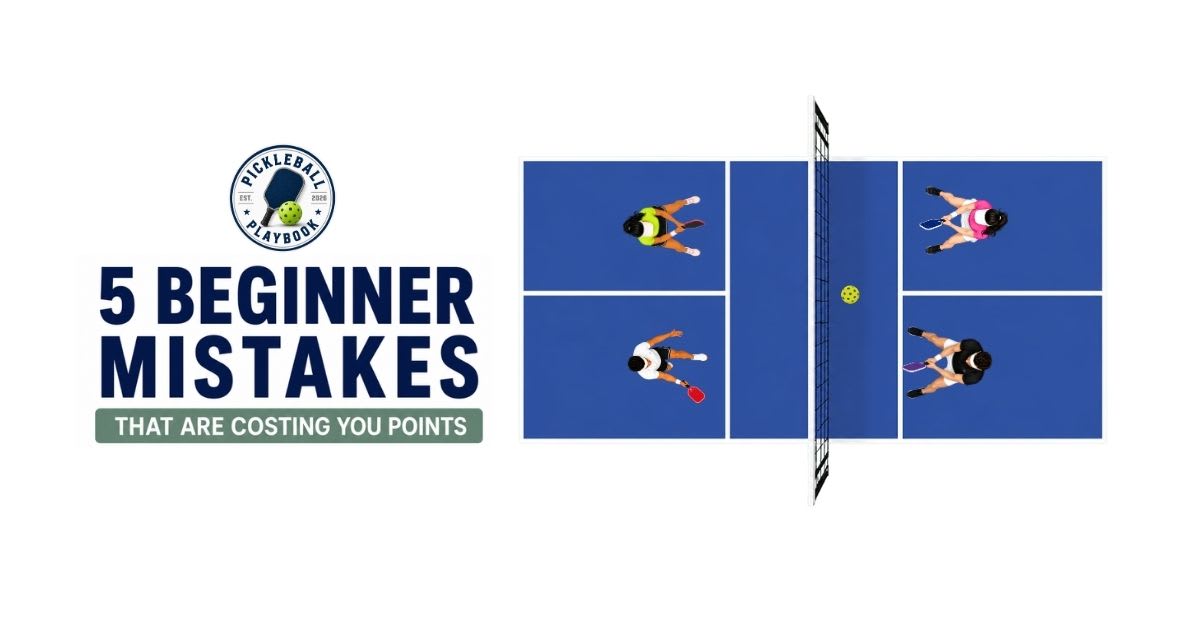
5 Beginner Mistakes That Are Holding Back Your Pickleball Game
Losing points and not sure why? It is probably not your paddle. Here are five beginner habits that are costing you points and exactly how to fix each one.
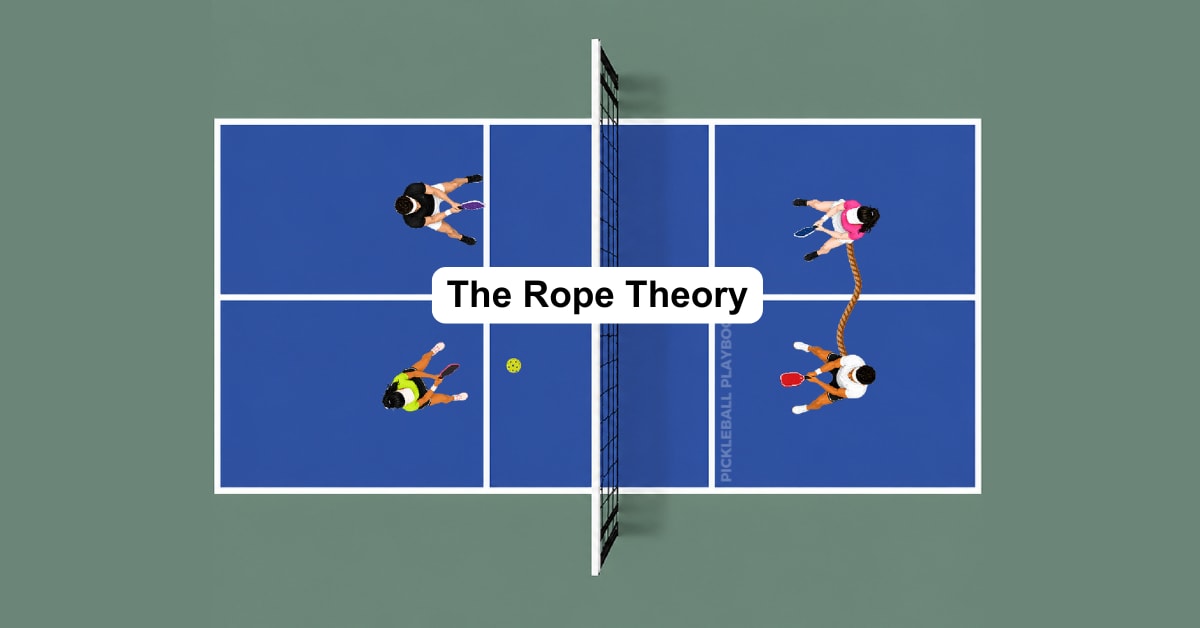
The Rope Theory in Pickleball
Moving together with your partner is one of the most important skills in pickleball doubles. The rope theory explains why and what happens when you do not do it.
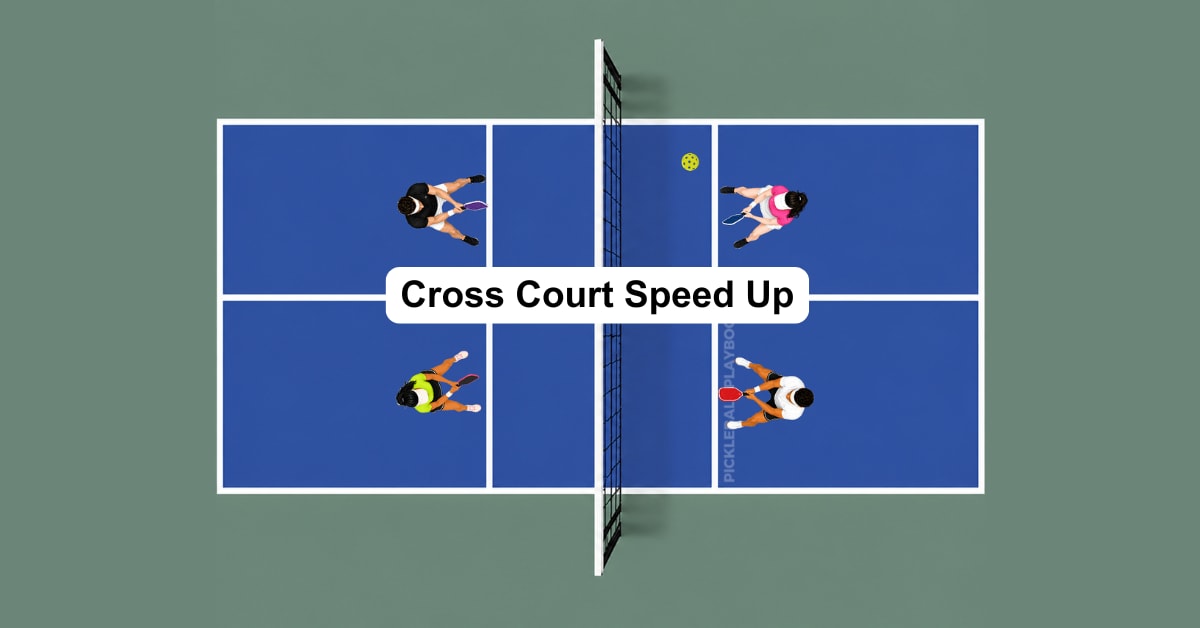
Cross-Court Speed Up? Let It Go.
Not every speed up needs a response. A cross-court speed up is one of the hardest shots to keep in bounds. Here is why letting it go wins you more free points.
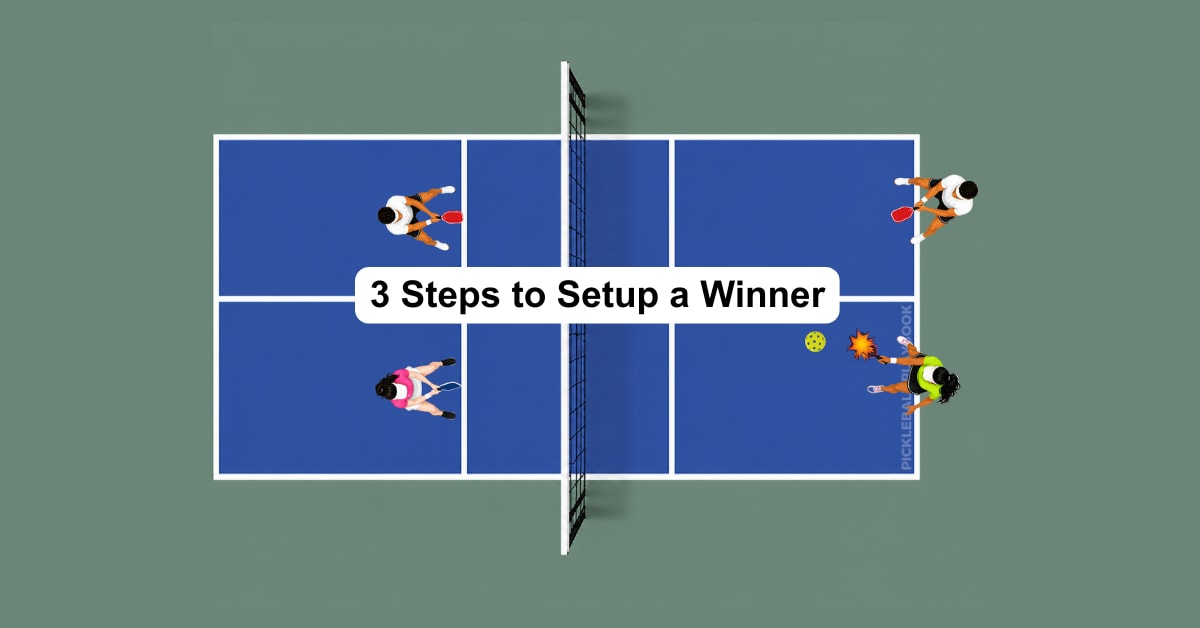
Three Steps to Set Up a Winner in Pickleball
Most players try to end points by themselves. This three step sequence is about setting your partner up instead. Here is how it works.
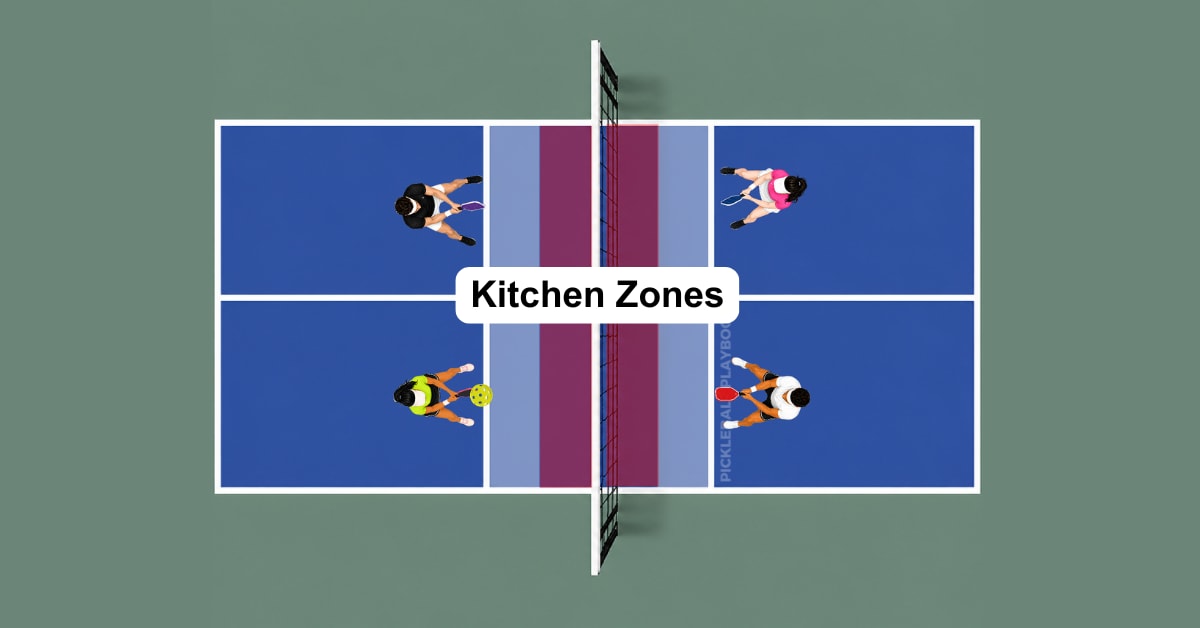
Kitchen Zones: Not Every Dink Should Be Played the Same Way
Most players treat every dink the same way. The ones who read the kitchen correctly do not. Here is the simple rule that changes how you play at the net.
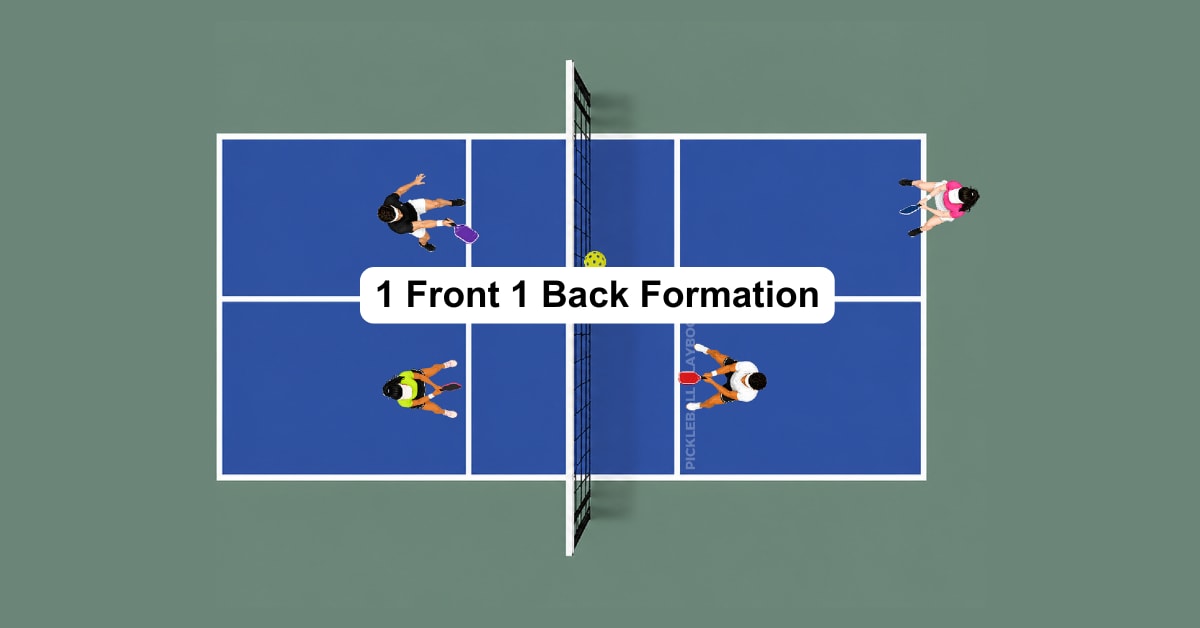
The One Front, One Back Formation in Pickleball
Having one player at the kitchen and one at the baseline is one of the weakest positions in doubles pickleball. Here is what it is and how to get out of it.